
How to Start a Streetwear Brand & Store Successfully
Start a Streetwear Brand & Store
How to Start a Streetwear Brand & Store is one of the most searched topics among entrepreneurs, distributors. Fortunately, modern technology has made launching a clothing brand more accessible than ever. E-commerce platforms, social media, and global apparel manufacturing enable entrepreneurs to reach customers worldwide without owning a factory. However, building a successful streetwear brand involves much more than printing a logo on a hoodie. It requires strategic planning, quality manufacturing, effective marketing, and a deep understanding of your target audience.
Whether you are based in the United States, Canada, the United Kingdom, Europe, Australia, or any other region, this comprehensive guide explains every essential step to help you build a profitable streetwear business. Additionally, you’ll discover how partnering with an experienced clothing manufacturer can simplify production while maintaining exceptional quality.
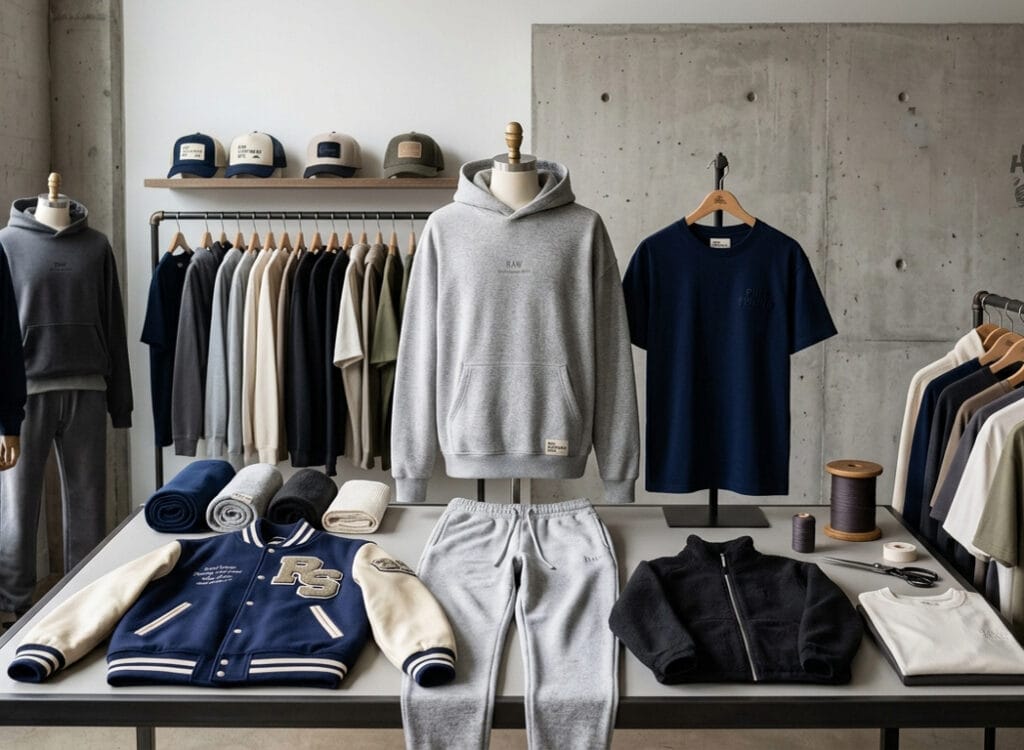
Why Streetwear Continues to Grow Worldwie
Streetwear is no longer just a fashion trend—it has become a lifestyle embraced by millions of consumers. Unlike traditional fashion, streetwear focuses on individuality, comfort, creativity, and community. Consequently, customers actively seek brands that reflect their personalities and values.
Several factors continue to drive the global demand for streetwear:
- The rise of social media and influencer culture
- Increased popularity of oversized and relaxed-fit clothing
- Limited-edition product drops
- Celebrity collaborations
- Growing interest in sustainable fashion
- Direct-to-consumer online shopping
- Demand for premium everyday apparel
As a result, entrepreneurs entering the streetwear market have significant opportunities to establish successful brands, provided they prioritize quality, originality, and customer experience.
Step 1: Define Your Brand Identity
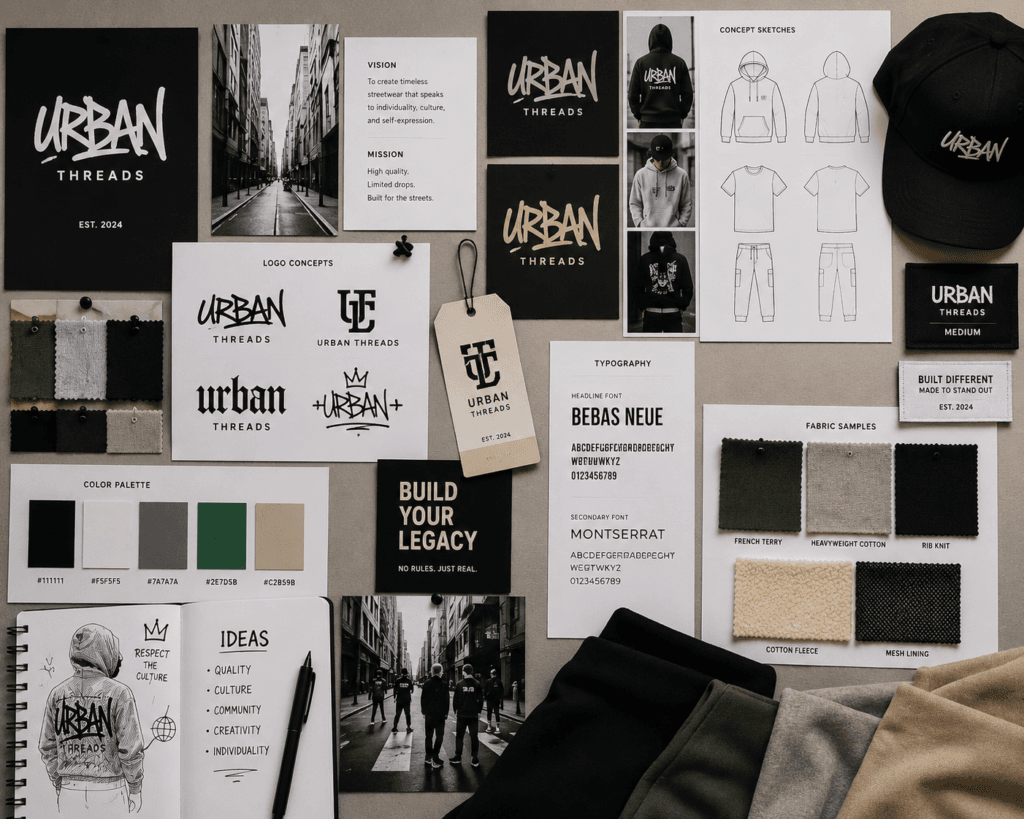
Every successful streetwear brand starts with a clear identity. Before designing your first garment, determine what your brand stands for and who it serves. Your brand identity will influence every decision, from product design and packaging to marketing and customer communication.
Ask yourself the following questions:
- Who is your ideal customer?
- What lifestyle does your brand represent?
- What makes your products unique?
- What emotions should customers associate with your brand?
- What values define your business?
Your answers will help shape your logo, color palette, typography, messaging, and overall aesthetic. A strong brand identity not only differentiates you from competitors but also builds trust and long-term customer loyalty.
Step 2: Research Your Target Market
Understanding your target audience is essential before investing in product development. While personal creativity is important, successful brands combine original ideas with market research to create products that customers actually want.
Begin by analyzing:
- Current streetwear trends
- Popular product categories
- Competitor pricing
- Preferred fabrics and fits
- Consumer buying behavior
- Emerging fashion styles
For example, many customers in the United States prefer heavyweight oversized hoodies and premium cotton t-shirts, while buyers in Europe often appreciate minimalist designs and sustainable materials. By identifying these preferences, you can develop products that resonate with international audiences.
Step 3: Choose Your Product Line
Launching with too many products can increase costs and complicate inventory management. Instead, focus on a smaller collection that showcases your brand’s identity and quality.
Popular streetwear products include:
- Oversized T-Shirts
- Heavyweight Hoodies
- Sweatshirts
- Cargo Pants
- Sweatpants
- Varsity Jackets
- Bomber Jackets
- Denim Jackets
- Shorts
- Beanies
- Caps
- Tracksuits
Starting with a focused product line allows you to refine your designs, gather customer feedback, and scale your collection strategically.
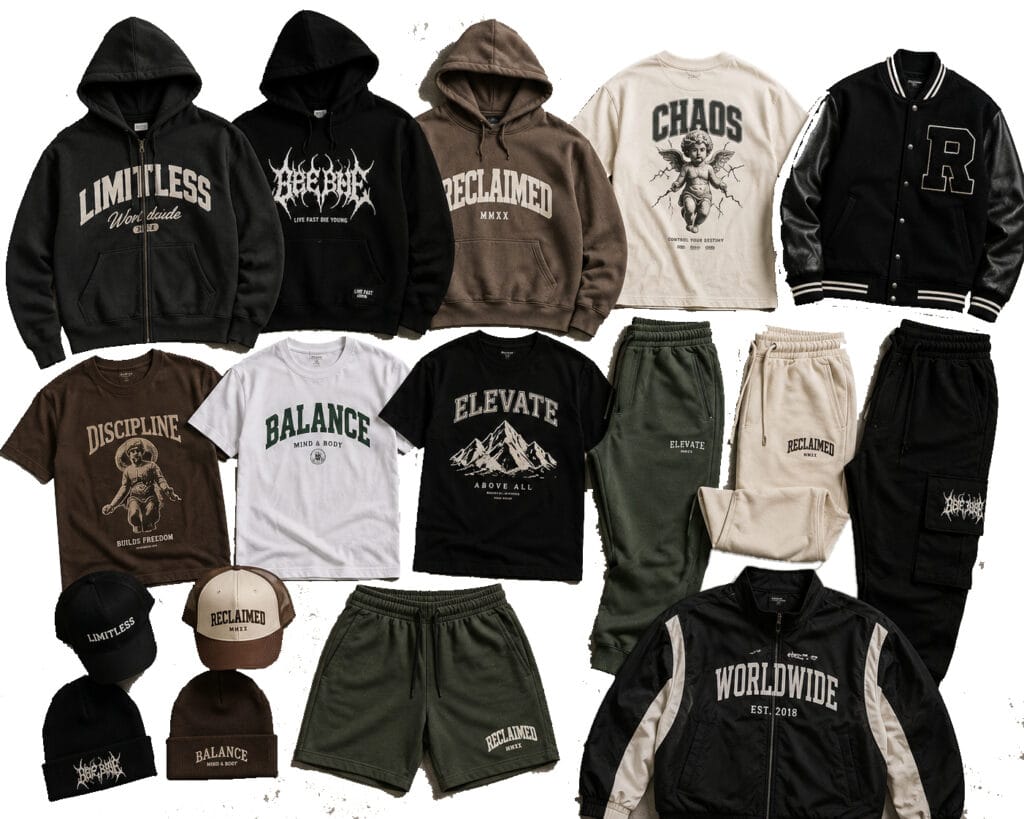
Step 4: Design Unique and High-Quality Apparel for Streetwear Brands & Stores
Design is at the heart of every successful streetwear brand. Rather than replicating existing products, create original designs that reflect your brand’s personality and connect with your audience.
Popular decoration techniques include:
Screen Printing
A cost-effective option for bold graphics and bulk production.
Puff Printing
Adds a raised, textured effect that enhances visual appeal.
Embroidery
Creates a premium finish for logos and branding elements.
Chenille Embroidery
Commonly used for varsity jackets and luxury streetwear.
DTG Printing (Direct-to-Garment)
Ideal for detailed, full-color artwork and smaller production runs.
Appliqué
Combines different fabrics to create distinctive textures and layered designs.
Using multiple decoration techniques can elevate your products and make them stand out in a competitive market.
Step 5: Select Premium Fabrics
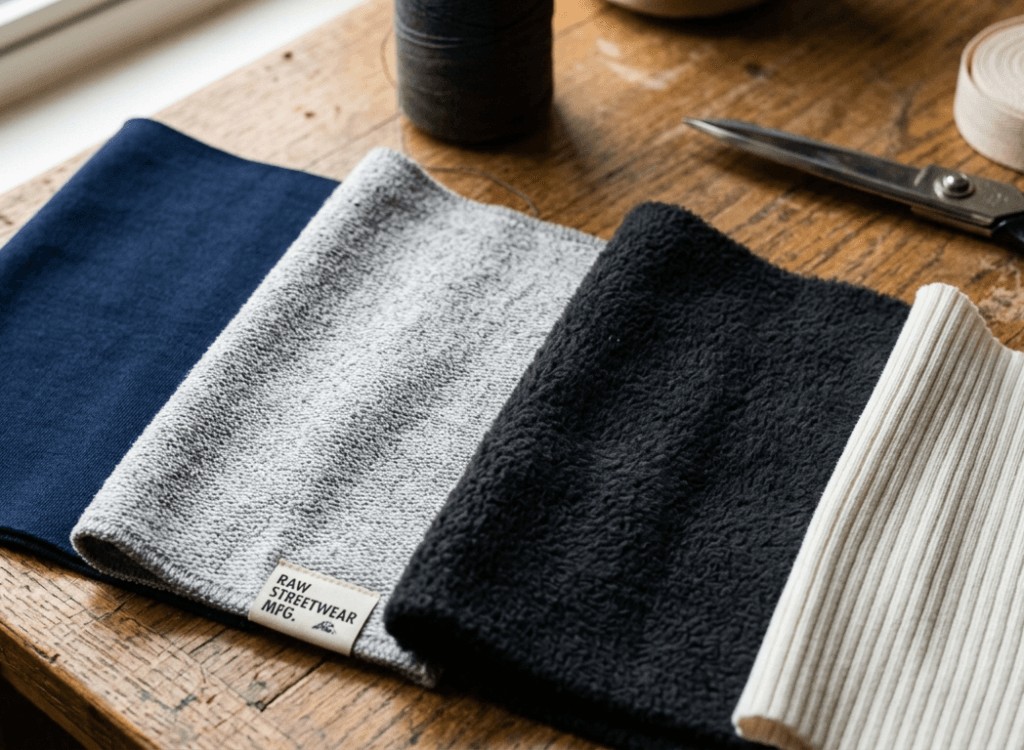
The quality of your fabric directly affects customer satisfaction. Even the best designs cannot compensate for poor materials. Therefore, choosing the right fabric is one of the most important decisions in apparel manufacturing.
Common fabrics for streetwear include:
Cotton
Soft, breathable, and comfortable for everyday wear.
Heavyweight Cotton
Ideal for oversized t-shirts and premium garments.
French Terry
Perfect for lightweight hoodies and sweatshirts.
Cotton Fleece
Provides warmth and comfort for hoodies and joggers.
Cotton-Polyester Blends
Offer durability, wrinkle resistance, and color retention.
Organic Cotton
A sustainable option that appeals to environmentally conscious consumers.
High-quality fabrics improve garment durability, comfort, and perceived value, helping your brand build a positive reputation.
Step 6: Find the Right Clothing Manufacturer
Choosing the right manufacturing partner is one of the most critical decisions you’ll make. A reliable manufacturer ensures consistent quality, timely production, and professional support throughout the development process.
When evaluating manufacturers, consider:
- Experience with streetwear production
- Fabric sourcing capabilities
- Sampling services
- Private labeling options
- Printing and embroidery expertise
- Quality control procedures
- Minimum Order Quantity (MOQ)
- International shipping experience
- Communication and transparency
At Stand Star Apparel, we specialize in custom streetwear manufacturing for startups, established brands, retailers, and wholesalers worldwide. From concept development to bulk production, we provide comprehensive private-label solutions tailored to your unique requirements.
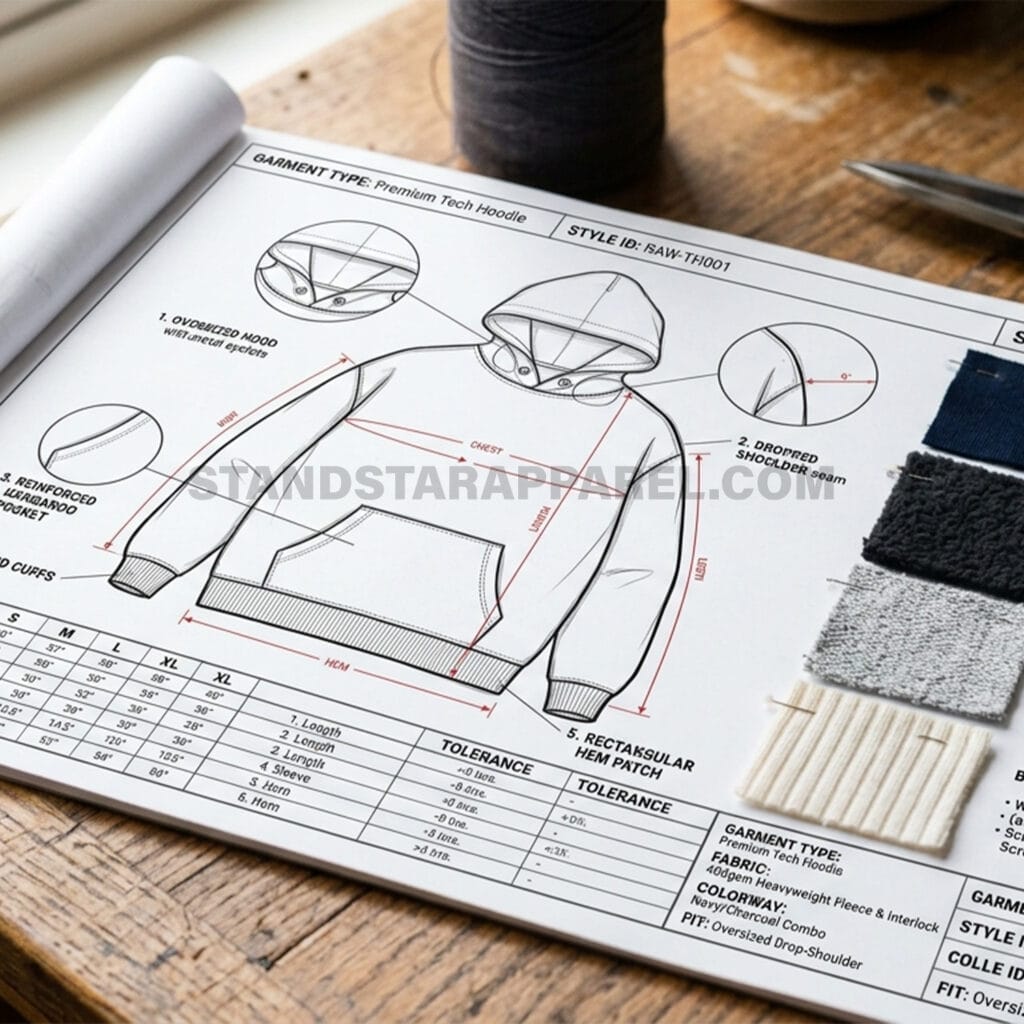
Step 7: Create a Professional Tech Pack
Once your designs are finalized, the next step is creating a tech pack. A tech pack is a detailed document that communicates your design specifications to the manufacturer. Without one, production errors become more likely, resulting in delays, additional costs, and inconsistent quality.
A complete tech pack should include:
- Front and back garment illustrations
- Measurements and sizing charts
- Fabric composition
- GSM (fabric weight)
- Color references (Pantone codes)
- Printing or embroidery placement
- Stitching details
- Labels and hang tags
- Packaging instructions
- Special finishing requirements
Providing a detailed tech pack helps manufacturers produce garments that match your vision. Furthermore, it reduces misunderstandings and speeds up the production process.
Step 8: Develop Samples Before Bulk Production
Sampling is one of the most important stages in apparel manufacturing. It allows you to review the fit, fabric, construction, and overall appearance before investing in bulk production.
During the sampling stage, carefully inspect:
- Fabric quality
- Stitching consistency
- Fit and sizing
- Printing quality
- Embroidery accuracy
- Label placement
- Color matching
- Overall finishing
If changes are needed, request revisions before approving the final sample. Although this process may take additional time, it significantly reduces the risk of costly production mistakes.
At Stand Star Apparel, we provide sample development services to help clothing brands refine their products before moving into mass production.
Step 9: Understand Minimum Order Quantity (MOQ)
Every manufacturer has a Minimum Order Quantity (MOQ), which refers to the minimum number of units required for production. Understanding MOQ helps you plan your budget and inventory more effectively.
Low MOQs are ideal for:
- Startup clothing brands
- Small businesses
- Limited-edition collections
- Market testing
- Seasonal launches
Higher MOQs often result in lower production costs per unit, making them suitable for established brands with larger sales volumes.
When choosing a manufacturing partner, discuss MOQ requirements early to ensure they align with your business goals.
Step 10: Build Your Brand, Not Just Your Products
Many startups focus only on designing garments. However, successful streetwear brands sell a lifestyle rather than simply selling clothing.
Your brand should have:
- A memorable logo
- Consistent color palette
- Professional typography
- Strong brand story
- Clear mission
- Distinct voice
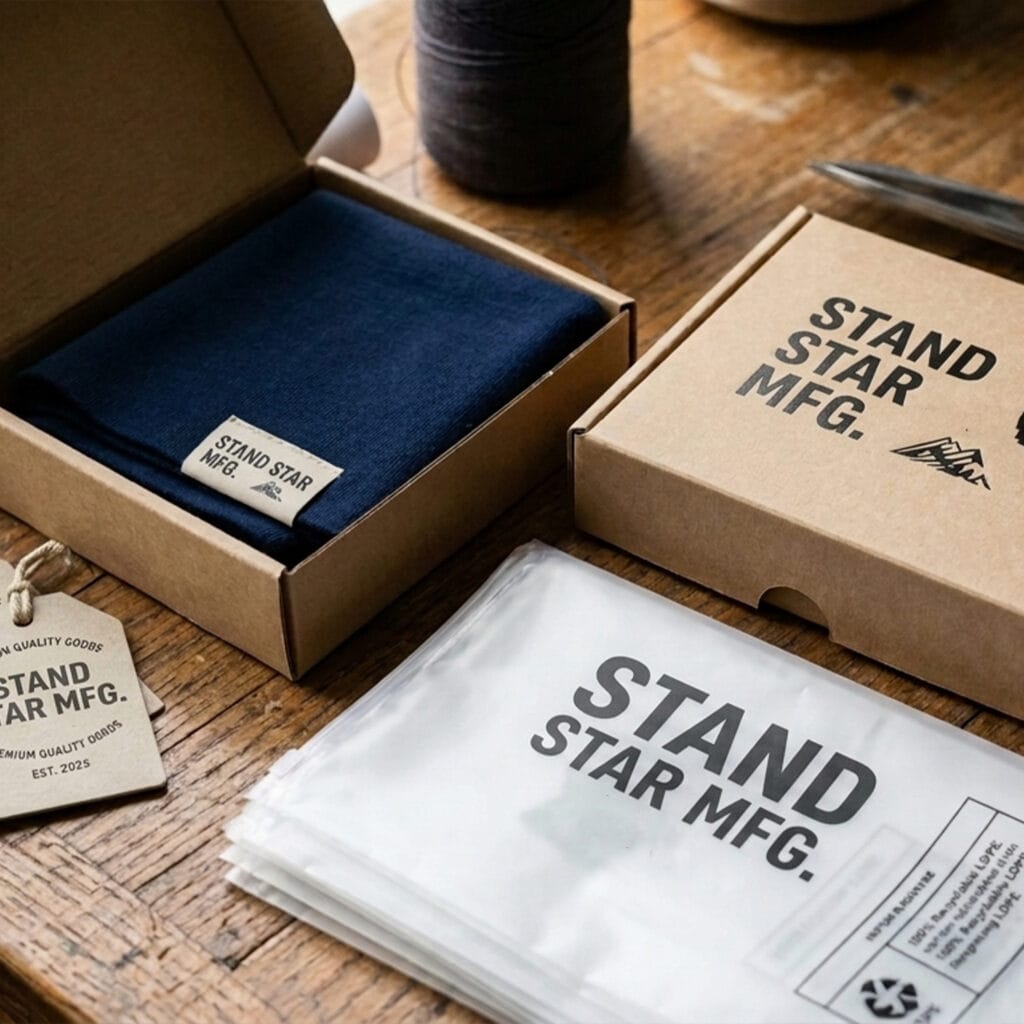
- Premium packaging
- Consistent social media presence
Customers often buy into the identity and values of a brand. Therefore, investing in branding can create stronger emotional connections and encourage repeat purchases.
Step 11: Build a Professional E-commerce Website
Your website is the digital storefront of your brand. A professional website not only builds trust but also increases conversions and improves your search engine visibility.
Your website should include:
- High-quality product photography
- Detailed product descriptions
- Size guides
- Secure payment options
- Fast loading speeds
- Mobile-friendly design
- Customer reviews
- Easy navigation
- Clear return policy
- Contact information
Additionally, optimize every product page with relevant keywords, unique descriptions, and descriptive image alt text to improve SEO.
Step 12: Market Your Streetwear Brand
Creating great products is only the beginning. Without effective marketing, potential customers may never discover your brand.
Successful marketing strategies include:
Social Media Marketing
Platforms like Instagram, TikTok, Pinterest, and YouTube are powerful tools for showcasing your products, sharing behind-the-scenes content, and building a loyal community.
Content Marketing
Publish informative blog articles about fashion trends, styling tips, fabric guides, and manufacturing insights. This approach helps attract organic traffic while establishing your brand as an authority.
Influencer Collaborations
Partnering with influencers who align with your target audience can significantly increase brand awareness and credibility.
Email Marketing
Build an email list to share product launches, exclusive discounts, and company updates. Email marketing remains one of the highest-performing digital marketing channels for e-commerce businesses.
Paid Advertising
Use platforms like Google Ads and Meta Ads to reach potential customers actively searching for streetwear products.
Step 13: Choose a Reliable Clothing Manufacturer
Your manufacturer plays a significant role in the success of your clothing brand. An experienced manufacturing partner can help improve product quality, reduce production issues, and streamline the entire process.
When selecting a manufacturer, evaluate:
- Manufacturing experience
- Product quality
- Fabric sourcing
- Sampling process
- Quality control
- Communication
- Production timelines
- Export experience
- Private labeling capabilities
- Custom packaging options
A reliable manufacturer becomes a long-term partner who supports your brand’s growth and evolving product requirements.
Why Choose Stand Star Apparel?
At Stand Star Apparel, we understand the challenges faced by emerging and established clothing brands. Our goal is to simplify the manufacturing process while delivering premium-quality garments that meet international standards.
We provide:
- Custom streetwear manufacturing
- Private label production
- Heavyweight hoodies
- Oversized t-shirts
- Sweatpants
- Varsity jackets
- Screen printing
- Puff printing
- Embroidery
- Chenille embroidery
- Woven labels
- Hang tags
- Custom packaging
- Sampling services
- Bulk production
- Worldwide exporting
Whether you’re launching your first collection or scaling an established brand, our experienced team works closely with you from concept to delivery.
Common Mistakes to Avoid
Many new clothing brands make avoidable mistakes that slow their growth. By recognizing these challenges early, you can build a stronger foundation.
Common mistakes include:
- Skipping market research
- Choosing low-quality fabrics
- Ignoring the sampling process
- Inconsistent branding
- Poor product photography
- Weak marketing strategy
- Overproducing inventory
- Choosing manufacturers based only on price
- Neglecting customer feedback
- Failing to optimize for SEO
Learning from these mistakes can save time, reduce costs, and improve long-term success.
Conclusion
Starting a streetwear brand requires creativity, planning, and persistence. While the journey involves many steps—from defining your identity and selecting fabrics to building a website and marketing your products—each stage contributes to creating a successful fashion business.
Most importantly, partnering with a trusted clothing manufacturer allows you to focus on growing your brand while ensuring your products meet the highest quality standards.
If you’re ready to launch your streetwear brand, Stand Star Apparel is here to help. From product development and sampling to private labeling and international shipping, we provide complete apparel manufacturing solutions tailored to your business.